New Launch Landed Homes in Singapore: What You Can Actually Buy
作者:Audrie Poh · CEA R060879G · · 阅读约 7 分钟
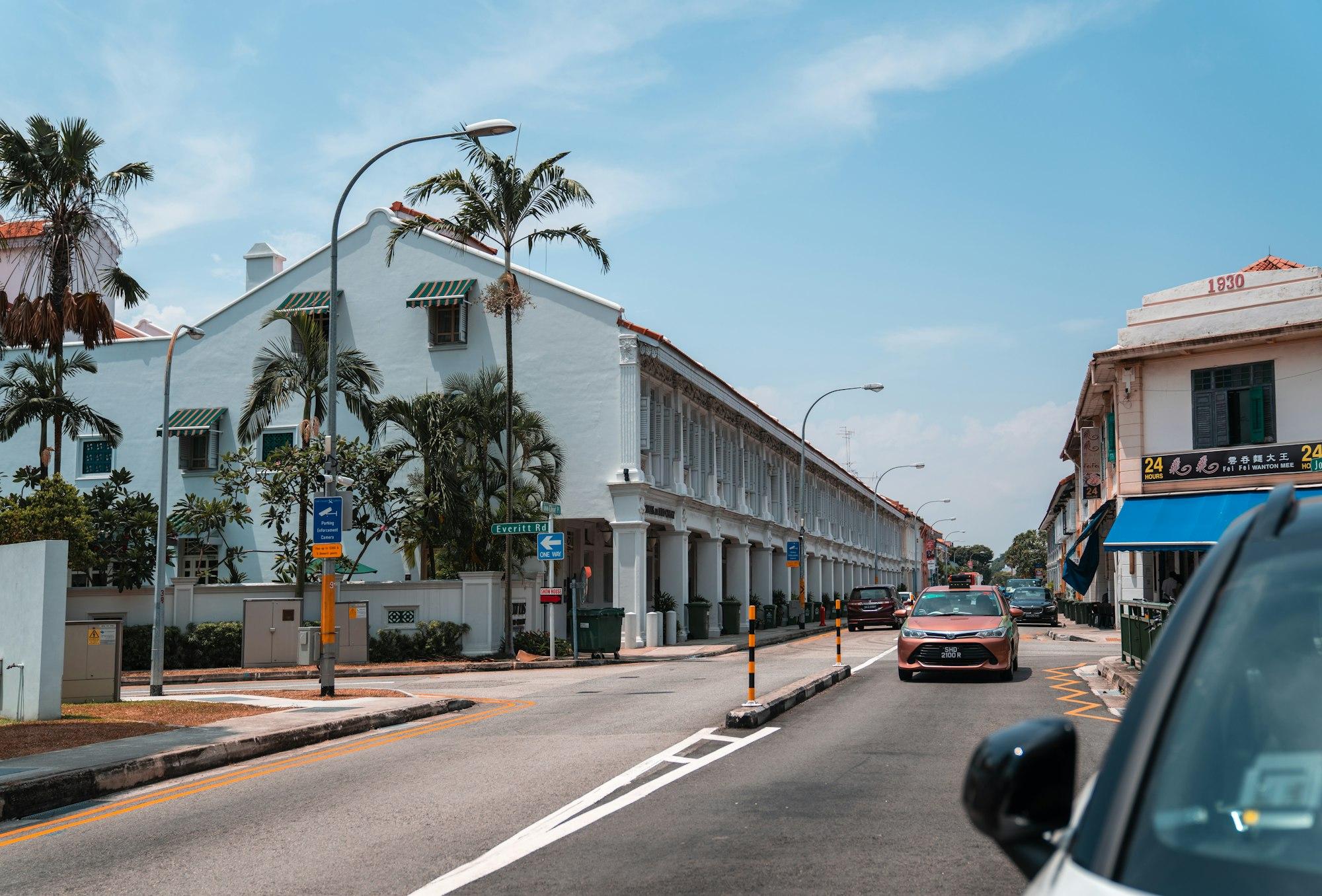
If you've searched for a new launch landed home in Singapore, you've probably noticed how little comes up. That's not a quirk of your search engine: the government has not sold state land for landed housing since 2017, so almost every "new launch" landed project you'll see today sits on a developer's own legacy land, and one appears only once every few years. Here's what's actually on the market right now, who is allowed to buy it, and what it costs.
Why "new launch landed" is such a rare search term
Singapore's Government Land Sales (GLS) programme is how most new private housing reaches the market, and it is overwhelmingly condominium and mixed-use sites. Landed housing parcels have been absent from that programme since 2017, so developers who want to build terraces, semi-detached houses or bungalows can only draw on land they already hold, not fresh state tenders. That scarcity is policy, not accident: landed land is a small, tightly rationed slice of Singapore's total housing stock, and the government has chosen not to expand it through GLS.
The result is a landed new launch market that behaves nothing like the condo market. Instead of a steady drumbeat of project launches every few months, you get the occasional release from a developer's land bank, sold out in phases over several years.
What has actually launched recently
The clearest current example is Pollen Collection II, a 186-unit terrace house project in the Seletar Hills landed enclave (District 28), launched by Bukit Sembawang Estates in December 2025. It sits on part of the developer's own land bank, reported by a DBS research note at more than 1.5 million sq ft, rather than on a site bought from a GLS tender. Intermediate terraces were quoted from $4.2 million (about $928 psf on floor area, with units of roughly 4,525 to 4,589 sq ft), and the land is held on a 99-year lease rather than freehold. By February 2026, the developer had released just 15 further units — a reminder of how thin and irregular this pipeline really is. Treat the $928 psf figure as the developer's initial quote rather than a current price list; confirm directly with the developer before relying on it.
This is a useful template for what to expect: landed "new launches" tend to be lumpy, infrequent, usually leasehold rather than freehold, and tied to whichever developer happens to be sitting on undeveloped land that year.
Who is allowed to buy a landed home
Eligibility is where many buyers get tripped up, because the rules are stricter than for condos.
- Singapore Citizens can generally buy landed property without special approval, outside Sentosa Cove and Good Class Bungalow Areas (GCBAs), where further rules apply.
- Permanent Residents need approval from the Land Dealings Approval Unit (LDAU) under the Singapore Land Authority before buying landed property. In practice, approval is reported to favour PRs with a longer residency track record and a demonstrable economic contribution to Singapore, and it is not routinely granted. Confirm the current criteria, fees and processing time on the Singapore Land Authority's own website before you commit to a purchase.
- Foreigners generally cannot buy landed property at all, with Sentosa Cove the one exception, and only with LDAU approval and a condition that you occupy the home yourself rather than rent it out.
- Good Class Bungalow Areas are stricter still: since a 2012 policy change, only Singapore Citizens may buy a bungalow within one of the 39 gazetted GCBAs, which together hold an estimated 2,800 or so legal plots, as at 2026.
Worked example: the stamp duties on a $4.2 million terrace
Take that Pollen Collection II intermediate terrace at $4.2 million, bought by a Singapore Citizen couple.
Buyer's Stamp Duty (BSD), as at October 2026, is charged on a progressive scale: 1% on the first $180,000, 2% on the next $180,000, 3% on the next $640,000, 4% on the next $500,000, 5% on the next $1.5 million, and 6% on the remainder. On $4.2 million, that works out to $191,600.
If this is the couple's first residential property, that $191,600 is the only stamp duty due. If it's their second property, Additional Buyer's Stamp Duty (ABSD) applies on top, at 20% for a Singapore Citizen's second property as at October 2026 — $840,000 on this purchase, bringing total stamp duty to $1,031,600. For a Permanent Resident, ABSD starts at 5% even on a first property and rises sharply from there, so the maths looks quite different; check the exact rate for your situation on IRAS's stamp duty page before you budget.
Financing works much like any other private property: loan quantum is still governed by the Total Debt Servicing Ratio (TDSR) and standard loan-to-value limits, not by special landed rules. Run your own numbers through our mortgage calculator before you commit to a specific unit.
Freehold or leasehold: the real trade-off in today's new launches
Much of Singapore's older landed stock — in estates like Serangoon Gardens, Watten Estate or the Bukit Timah landed belt — is freehold. Pollen Collection II, like several recent landed projects, is 99-year leasehold. That's a meaningful trade-off if you're buying with multi-generational holding or eventual resale to a landed-only buyer pool in mind, since freehold land in Singapore is itself finite and tends to command a premium over time. It's worth weighing against your own holding horizon rather than assuming freehold is automatically the better buy; we've set out that argument in more detail in our piece on whether freehold always wins.
[Audrie: add a short real client example here, e.g. a family who considered Pollen Collection II and chose a resale freehold terrace instead, with their reasoning]
If nothing is launching, here are your two real options
Most families who want a landed home end up buying one of two ways, not through a new launch at all.
Resale landed homes. This is by far the larger market: thousands of existing terraces, semi-detached and detached houses change hands every year across Singapore's established landed enclaves, most of them freehold, with far more choice of location, size and layout than any single new launch offers.
Buy a plot and rebuild. Some buyers purchase an older landed house specifically to tear down and rebuild to their own design — effectively creating their own "new launch" on an existing plot. It's a longer, more hands-on process involving planning permission and construction financing, and it needs careful numbers on land rate psf before you commit. We can walk you through that decision as part of a landed property purchase.
Frequently asked questions
Can Permanent Residents buy landed property in Singapore?
Only with approval from the Land Dealings Approval Unit (LDAU) under the Singapore Land Authority, and that approval is not routine. Good Class Bungalows are off-limits to PRs entirely; outside GCBAs, approval reportedly favours PRs with a longer residency history and a clear economic contribution to Singapore. Check current criteria directly with the Singapore Land Authority.
Why hasn't the government released land for new landed housing since 2017?
Landed housing has always been a small, deliberately rationed share of Singapore's housing stock, and the Government Land Sales programme has focused on condominium and mixed-use sites instead. That means new landed supply now comes almost entirely from developers building out their own existing land banks, not from fresh state tenders.
Is a 99-year leasehold landed home a bad buy?
Not automatically. It depends on your holding horizon, your reason for buying (own stay versus long-term wealth preservation) and the price gap versus comparable freehold stock in the same area. Leasehold land does decay in value over the very long run, but over a 10 to 15 year horizon the gap often matters less than location and condition.
What's the real difference between a landed "new launch" and buying resale?
A new launch gives you a brand-new home with current specifications and sometimes an easier financing timeline (progressive payment on new launches, though note this applies to projects under construction, not completed landed units), but very limited choice of location and a long wait list. Resale gives you immediate access to a far wider range of freehold stock across every established enclave, usually at a price you can negotiate directly.
What this means for you
If you've been waiting for a landed "new launch" to compare against, it's worth recalibrating: the real decision for most buyers is between a rare, leasehold, developer-driven project like Pollen Collection II and the much larger resale and rebuild market. Working out your entry price and exit strategy against the right comparison set is exactly what our L.E.X method is for. If you're weighing up a landed purchase, we can work through the numbers and the eligibility rules with you.