Step-by-Step Guide to Sell Property in Singapore
By David Ho · CEA R027577A · · Updated · 8 min read
1. Evaluate Your Property
Before putting your property up for sale, the first step is to research its market value. Factors like the condition of the house, renovations, location, floor height, access to public transport and furniture are all negotiating points that both the seller and the buyer could use.
All of these factors should be researched and understood by you or your appointed property agent before listing and advertising your property, so that you have all the information you need when negotiating with buyers before making a deal.
For HDB flats, you can start by checking recent resale transactions of similar units in your block or neighbourhood via the HDB Resale Price portal. If you're selling a private property, such as a condominium or landed house, the process is a bit more flexible. Use the URA Real Estate Information System (REALIS) or engage a property agent or licensed valuer to perform a Comparative Market Analysis (CMA) to get a more detailed valuation based on floor level, facing, renovation, tenure, and amenities.
But do avoid overpricing your property based on emotional attachment or renovation costs. Buyers are market-driven—and if your property is priced too high, it may sit on the market longer and require markdowns later.
2. Prepare your Property
When it comes to preparing your property for sale, or home staging, some simple clean-up like clearing clutter and doing minor repairs can drastically improve the condition of the house, and removing or replacing some furniture can make your property a much more attractive living space for potential buyers.

Some other tricks, like changing the LED bulbs to a warmer colour, keeping the curtains tied up to let in more natural light and having some fresh flowers, can improve the attractiveness of your property when potential buyers come to visit.
3. Listing Your Property
After setting an expected price and a lowest price in your mind, and finishing the home staging and some simple touch-ups, you can officially start selling: advertise your property on different property portals and on the social media platforms where you have a large following, to get the most views.
But if you are selling your HDB flat, you must register your Intent to Sell on the HDB Resale Portal before you can list your flat, and you will need to register again if it expires before you sell.
When it comes to advertising your property, the most important thing is to have great photos showing off your property in its best light, so you might want to consider hiring a professional photographer, but you could always do it yourself using your own smartphone or any camera you have on hand.
If you have an appointed real estate agent, on top of doing all the hard work of advertising your property on different websites and platforms for you, they will usually have contacts with other property agents, each with their own clients looking to buy, increasing the number of visits and viewings to your property and reducing the time it takes to sell.
4. Property Viewing
When it comes to conducting viewings of your property with interested buyers, make sure that you are flexible with timing and, most importantly, be honest with the different questions the buyer brings to you. Remember that your goal is to help potential buyers visualise living there. Use natural light and pleasant scents where possible.

But if you’re employing a property agent to help you, it's usually a good idea not to be at the venue during the viewing. Negotiation is best done by a middleman, in this case your trusted property agent: with a middleman trying to meet the conditions of both parties, both parties are usually much more satisfied with the outcome and a deal is more likely to be made.
5. Offers and Price Negotiations
After the viewing, if the buyers are still interested in the property, the most important part of the entire process starts: price negotiations. Remember to consider both price and buyer profile (e.g., financial readiness, timeline). Be ready with a counter-offer when necessary until you either reach a deal or look for another potential buyer.

Know that buyers are usually looking at multiple properties at the same time, and it's the same for you: multiple buyers may be eyeing your exact property. This is where your appointed agent steps in and helps you by handling and managing all these buyers, and constantly following up with all the interested buyers.
6. Employ a Conveyancing Lawyer
After reaching a verbal agreement about the conditions and the price with your buyer, you would need to employ a conveyancing lawyer to help you draft and review the Option to Purchase (OTP) and Sales and Purchase Agreement (SPA) for all the involved parties to sign and agree upon. These legal professionals will also help with title searches, CPF refunds, mortgage settlements, and submissions to HDB or SLA.

Make sure that you choose lawyers experienced with your property type (HDB vs private) to ensure that the legal process goes smoothly and in a timely manner.
7. Grant the Option to Purchase to the Buyer
Once both parties have agreed on a price and the terms & conditions, the next crucial step is to grant the Option to Purchase (OTP). This legal document gives the buyer the exclusive right to buy your property within a specified period—usually 21 days for HDB flats and 14 days for private properties.
For HDB sellers, you must use the OTP form available on the HDB Resale Portal. The buyer pays a small Option Fee, capped at $1,000, to secure this right. The OTP becomes effective once issued and accepted.
In the case of private property, your conveyancing lawyer will help prepare the OTP. The buyer typically pays 1% of the purchase price as an option fee. During the option period, the buyer may carry out due diligence, arrange for a valuation, or finalise financing. Once the buyer exercises the OTP by signing and paying an additional deposit (commonly 4%), the transaction becomes legally binding.
8. Sales and Purchase Agreement (SPA)
After the OTP, a Sales and Purchase Agreement (SPA) is drafted to formalise the deal. The contract holds all the final details about the final sale terms, payment milestones, completion date, and legal obligations for both parties.

For private properties, your lawyer will prepare and review the SPA, which must be signed by both parties. By this stage, the buyer will typically have paid a 5% deposit in total, including the option fee. Once the SPA is signed, both parties are legally locked into the deal.
For HDB flats, there isn’t a separate SPA. Instead, all formalities and documentation are handled directly through the HDB Resale Portal. The portal will guide both parties through the submission of resale applications and supporting documents.
9. Complete the Transaction
As the completion date nears, your conveyancing lawyer (for private properties) or HDB (for flats) will coordinate the necessary preparations to finalise the deal. This includes:
- Redeeming any outstanding housing loan
- Refunding CPF monies used for the property
- Stamping legal documents
- Preparing documents for title transfer

For HDB transactions, HDB will schedule a Completion Appointment, it will typically take 8 weeks after acceptance of the resale application. During this appointment, ownership is legally transferred to the buyer, and you will hand over the keys to the new owners of the property.
For private property, your lawyer and the buyer’s lawyer will meet to complete the deal, usually at the lawyer’s office or bank. The buyer pays the remaining purchase price, and your lawyer releases the keys to the buyers and the sale proceeds go to you after settling all outstanding payments.
10. Close the Sale
Finally, you close the chapter by officially handing over your property to the new owner. On the agreed completion date, you will:
- Transfer vacant possession (unless agreed otherwise)
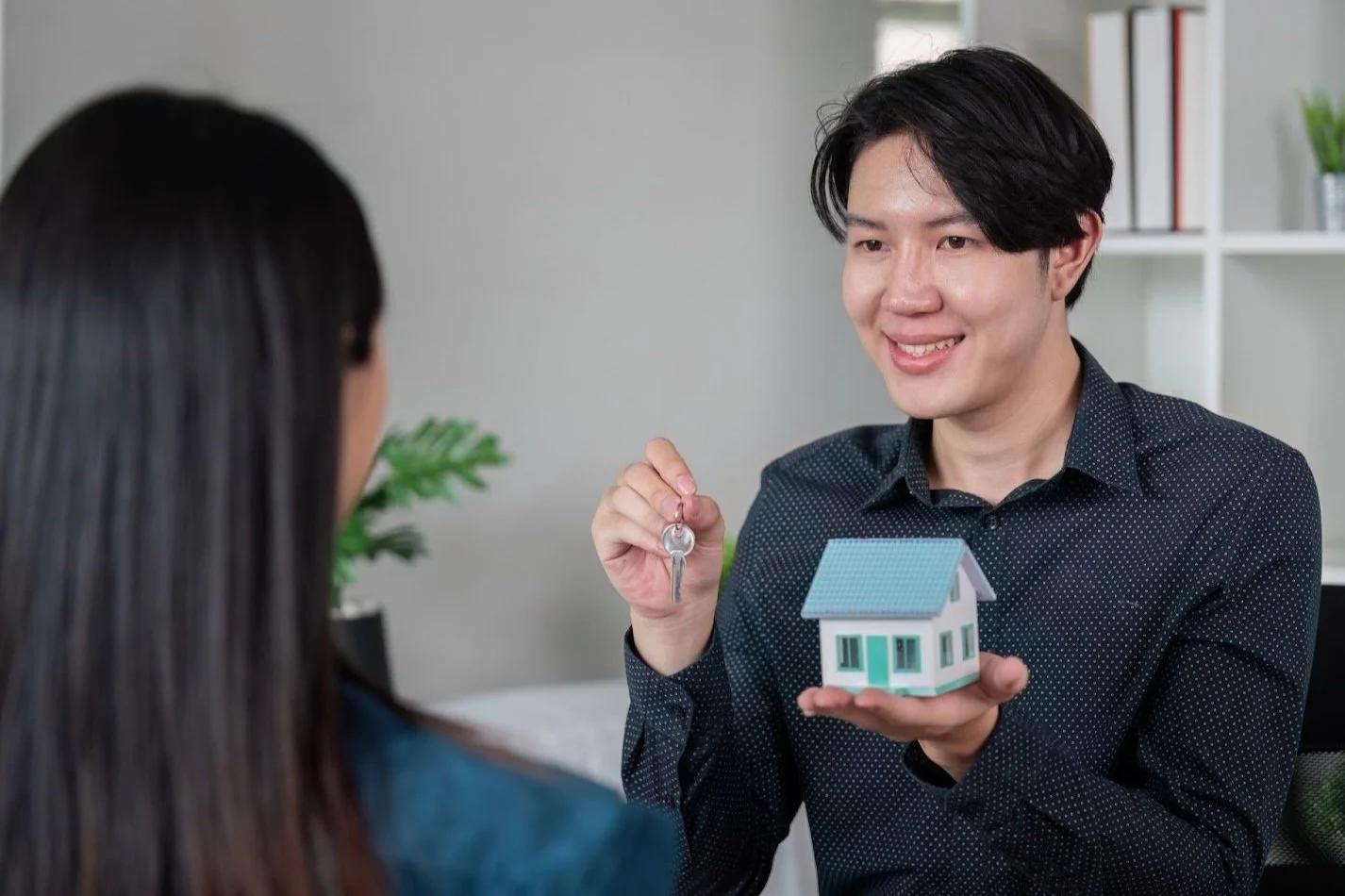
- Hand over all keys and access cards
- Settle final utility bills
- Receive your net proceeds after CPF refunds and loan redemption (if applicable)
For private property sellers, you may also need to file legal discharge documents with the Singapore Land Authority (SLA), which your lawyer will be handling for you.
Congratulations! At this point, the sale is legally and financially complete. You’ve successfully navigated the property selling process in Singapore.
HDB vs Private Property: Process Summary
To make it easier for you to compare HDB flats and private property, here is a table showing the step-by-step process of selling these two types of property.
| Step | HDB Resale | Private Property |
|---|---|---|
| Eligibility | Must meet 5-year MOP | No MOP unless it’s an Executive Condo |
| Listing | Register Intent to Sell | No need for registration |
| Valuation | HDB conducts valuation | Market-based; optional formal valuation |
| Option to Purchase | Standard HDB OTP (max $1,000) | Custom OTP (usually 1% option fee) |
| Conveyancing | Managed via HDB system | Lawyer-managed |
| Sales and Purchase Agreement | No SPA; HDB handles process | SPA required |
| Completion | HDB schedules appointment | Lawyer schedules handover |
Whether you’re selling an HDB flat or a private condo, preparation and professional guidance are key. Understand the steps, follow the rules, and stay calm during negotiations. Selling a property is more than a transaction; it’s a transition. With the right steps, you can make it a smooth and rewarding one.
Despite the guidelines and laws clearly listed on official websites like that of the Housing & Development Board, selling a property solo can still be a frustrating task, especially without any experience. Knowing all the correct procedures, such as what fees to pay, whom to pay them to, and all the different codes and regulations, may take hours to days of research to ensure that nothing is missed. So if you still feel overwhelmed by the hundreds of rules and regulations, why not look for help from professional real estate agents and partners like David & Audrie?
With over 10 years of proven experience, David & Audrie are a trusted real estate partner for you! With their W.A.T.E.R concept, David & Audrie can not only help you buy and sell real estate, but also help you develop a step-by-step retirement investment plan through purchasing, upgrading and selling property!
So if you’re still looking for help to find, buy and sell property in Singapore, let the professionals help you negotiate the best price and conditions. Don't hesitate to contact us here at our website by clicking here: David & Audrie or just give us a call by clicking here for all your property needs!