Landed Property Valuation in Singapore: How Land Rate PSF Really Works
By David Ho · CEA R027577A · · 7 min read
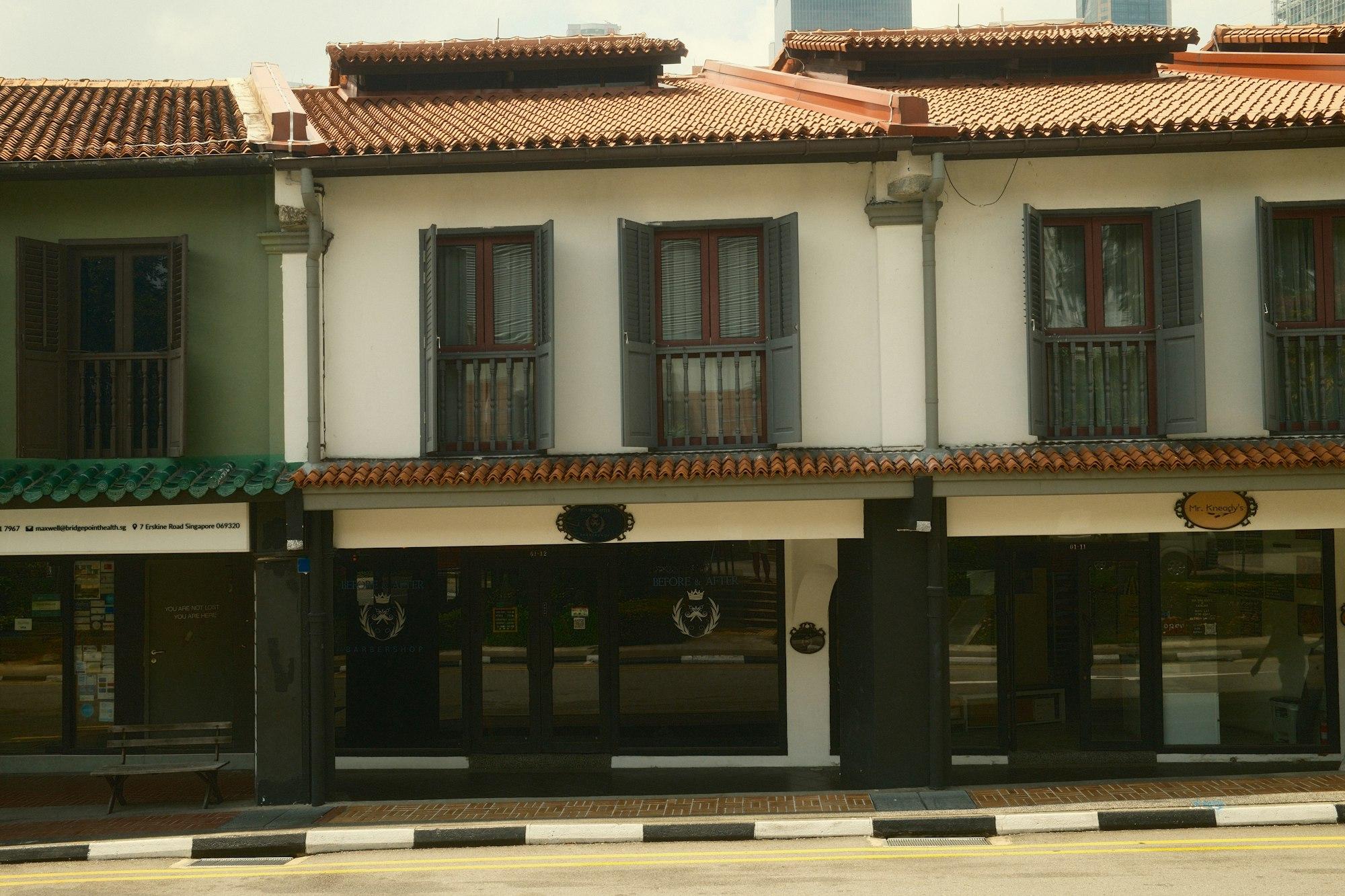
Landed property is valued differently from a condo or an HDB flat. Instead of comparing per-unit prices, valuers and agents start with the land itself: its size, shape and location, priced per square foot, with the house treated almost as a bonus. If you own a terrace, semi-detached or bungalow and are weighing up whether to sell your landed property, this is the method to understand before you put a number on it.
Why land, not the house, drives the price
A condo's value sits mostly in its built-up floor area, because the land under it is shared by hundreds of units. A landed home is the opposite: you own the plot outright, so the land is the scarce, appreciating asset, and the house is a structure sitting on top of it that depreciates like any building.
This is why two landed homes with almost identical houses can sell for very different prices once you adjust for land size, and why a tired, unrenovated terrace on a good plot can still fetch a strong price. Buyers, and the banks financing them, are really pricing the land.
The two numbers every valuation uses
Professional valuers and agents triangulate a landed home's worth using two separate rates:
- Land rate psf — the price per square foot of land, benchmarked against recent comparable land transactions nearby.
- Built-up psf — the price per square foot of the house itself, which matters less for an older home and more for one that has been rebuilt or extensively renovated.
A simplified version of the sum looks like this:
Land value = land area (sq ft) × land rate psf
Plus an adjustment for the condition and age of the existing structure
= indicative market value
Land rate psf is not published anywhere official, so it has to be derived from recent transactions of comparable plots: similar size, tenure, district and road type. URA's public caveats search for private property transactions is the starting point most agents use; it lists transacted price, land area and tenure for recent landed sales, though it only captures sales where a caveat was lodged and refreshes on a fixed schedule, so treat it as a strong guide rather than a complete record. This is the same discipline behind the L.E.X part of our property wealth framework: know your entry price and your likely exit before you commit to either.
What moves the land rate per square foot
The same land size in two different locations, or even on two different streets in the same estate, can carry very different land rates. The main drivers are:
Location and district
Land in the Core Central Region (districts such as 10 and 11) commands a premium over the Outside Central Region, and this gap tends to widen, not narrow, over a market cycle.
Tenure
Freehold and 999-year leasehold land has historically traded at a premium to 99-year leasehold landed sites, though the gap narrows or widens depending on how much lease is left and buyer sentiment at the time.
Plot shape, frontage and orientation
A regular, rectangular plot with good frontage is worth more per square foot than an irregular or triangular one, because more of the land is usable for building. Corner terrace units, which sit on larger plots with more open sides, usually command a clear premium over intermediate units in the same row.
Redevelopment and rebuilding potential
A plot zoned and sized to support a larger or taller rebuild under URA's Master Plan is worth more to an owner-occupier planning to rebuild, and to a developer assembling several plots, than one that is already built to its maximum allowable footprint.
Surrounding supply and future plans
Upcoming MRT lines, school catchment changes or planned amenities in URA's Master Plan can lift land rates in an area over time, while a nearby future construction project (an expressway, for instance) can weigh on it.
A worked example
Say you own an intermediate terrace house on a 2,000 sq ft plot in a mature estate. Recent comparable land transactions on similar plots nearby have traded at roughly $1,500 to $1,600 psf of land.
- Land value: 2,000 sq ft × $1,550 psf (midpoint) ≈ $3,100,000
- Adjustment for the existing house: if it is dated and would likely be torn down and rebuilt by the next owner, a valuer may add relatively little for the structure itself, perhaps $50,000 to $150,000 depending on condition
- Indicative market value: roughly $3,150,000 to $3,250,000
This is illustrative only. Your own land rate depends on genuinely comparable transactions for your street and plot type, not a general figure, and only a bank valuer's report or a detailed agent appraisal using current data will give you a number you can rely on.
[David: add a short real client example here, e.g. a family who sold an inherited terrace house in Serangoon and were surprised by how much the corner plot added to the valuation]
Bank valuation versus an agent's market appraisal
A bank valuation is what a financial institution will lend against if your buyer needs a mortgage, and it is usually conservative. An agent's market appraisal looks at the same comparable data but also weighs current buyer demand, how quickly similar homes nearby have transacted, and any unique features of your plot.
Before you list, it is worth getting both: the bank valuation tells you the floor a lender will support, and the appraisal tells you where genuine buyer interest is likely to land. A wide gap between the two is a signal to price carefully and not simply anchor on either number alone.
Costs to plan for before you sell
Three costs affect your net proceeds and are easy to overlook:
- Seller's Stamp Duty (SSD), if you bought the property on or after 4 July 2025 and are selling within four years of purchase: the rates are 16% in year one, 12% in year two, 8% in year three and 4% in year four, with no SSD after that (as at October 2026). Properties bought before 4 July 2025 generally keep the earlier three-year schedule. Most long-held landed homes are well past any SSD window, but it is essential to check your own purchase date; our full SSD guide walks through the rates and exemptions in more detail.
- Property tax up to the point of handover, pro-rated with your buyer.
- Agent commission and legal conveyancing fees, which your agent should set out clearly before you sign anything.
What the current market is doing
URA's flash estimate for the third quarter of 2026 showed landed private home prices rising 2.8% quarter-on-quarter, ahead of the 0.9% rise for non-landed homes, with full official figures due on 23 October 2026 (as at October 2026, flash estimate, subject to revision). This does not tell you what your specific plot is worth, but it is a useful signal that landed demand has been firm relative to condos in recent quarters, which matters when you are deciding whether to sell now or wait.
Frequently asked questions
Do I need a professional valuation before I list my landed property?
It is not compulsory, but it is strongly recommended. A bank valuation or a detailed agent appraisal, using recent comparable land transactions for your specific plot type and street, gives you a realistic asking price range and avoids either underpricing or sitting unsold at an unrealistic figure.
Why is land rate psf more important than built-up psf for landed homes?
Because the land is what a landed home owner actually controls outright, and it is the component that has shown the clearest long-term appreciation. The house itself ages and depreciates, so for most resale landed homes the land rate, not the built-up area, does most of the work in setting the price.
Does a corner terrace really sell for more than an intermediate unit?
Generally yes. A corner unit sits on a larger plot with more open sides, better light and ventilation, and often more flexibility to extend or rebuild, all of which buyers and valuers price in as a premium over a same-sized intermediate unit in the same row.
Should I rebuild before selling to get a higher price?
Not necessarily. A rebuild is a significant cash outlay with no guarantee the uplift in sale price will cover the cost, and buyers who want to rebuild to their own specification may prefer to buy at a land-value price and start from scratch. This is a decision worth working through with real numbers for your specific plot before committing.
What this means for you
Valuing a landed home is less about the house you see and more about the land underneath it: its size, shape, tenure and what a buyer could do with it next. If you are thinking about selling a terrace, semi-detached or bungalow and want a clear-eyed read on what your plot is really worth before you commit to a number, we can work through your land rate, comparable transactions and exit timing with you.