
Guide to Real Estate Investment in Singapore for First-Timers
By Audrie Poh · CEA R060879G · · Updated · 7 min read
Real estate has always been a popular investment avenue in Singapore, thanks to the city-state's stable economy, strong legal framework, and its high property demand. For first-time investors, stepping into the real estate market can feel overwhelming, especially with the wide variety of investment options available today meeting the different financial capabilities and needs of each investor. Whether you're looking for something hands-on or prefer a more passive route, there will be a suitable strategy to match your financial goals, time commitment, and risk tolerance.
This guide explores six common real estate investment strategies in Singapore, ranging from traditional property ownership to innovative, low-barrier digital platforms, each approach is catered to fit different risk profiles and expertise of the investors.
House Flipping

Through buying undervalued homes, renovating them, then selling for profit, house flipping is a property investment tactic that people have used all over the world to fix up homes and to improve the value of properties whilst making a profit.
This method has the potential for quick, high returns if managed well, provided that you can sell your property within a certain timeframe and in a seller’s market, so proper planning and an exit plan are a must for this strategy.
But this tactic is not suited to most people. It is best for people with renovation experience and a higher risk tolerance, which limits it to a select few who have the time, skills and assets to make a profit.
But if you are considering flipping houses in Singapore, do take into account the different taxes and additional costs that you might incur when flipping properties. Seller’s Stamp Duty and property tax are the big-ticket costs that have to be taken into consideration when naming your price for your flipped property. So it's best to seek professional advice from experienced real estate agents like David & Audrie to help you search, purchase and sell your next property flipping project.
Invest in Rental Properties

One of the most traditional forms of real estate investment is purchasing a property and renting it out. Investing in rental properties offers investors two benefits: the potential for long-term capital appreciation from owning the property, and a regular stream of passive income through monthly rental payments.
Although this strategy comes with very attractive benefits, investors going down this route typically require a significant amount of upfront capital due to high property prices and government-imposed taxes such as Buyer’s Stamp Duty (BSD) and, in some cases, Additional Buyer’s Stamp Duty (ABSD) to be added on the upfront capital. Investors also need to manage ongoing costs like property tax, maintenance, and mortgage interest.
While it can be rewarding, being a landlord comes with responsibilities, including handling tenant issues and upkeep of the property. That's why for first-timers, starting with a smaller, well-located unit may be more suitable as it can reduce the risks and help ease new investors into property management.
Real Estate Investment Groups (REIGs)
For those who want to enjoy the benefits of property ownership without the day-to-day involvement, Real Estate Investment Groups (REIGs) can offer a more hands-off approach for you. In a typical REIG, a company or a collective will pool funds from multiple investors to purchase and manage properties. And investors will earn a share of the rental income or profits without having to manage the property themselves.
This model allows for diversification across multiple properties and sectors, making this investment relatively stable. But it does come with management fees and investors will have less control over specific investment decisions. Still, it can be an excellent option for individuals looking to benefit from real estate returns while minimizing their direct involvement.
REITs (Real Estate Investment Trusts)
Another increasingly popular investment vehicle is Real Estate Investment Trusts, or REITs. REITs are companies listed on the Singapore Exchange (SGX) that own and operate income-generating properties such as shopping malls, office buildings, and hotels.
REITs are particularly attractive to first-time investors due to their low entry cost and their ease of liquidation; new investors can begin with just a few hundred dollars and have the option to sell off their investments at any time. Most REITs pay out dividends regularly, making them appealing for income-focused investors. However, like any stock market instrument, REITs are subject to market volatility and management fees.
It's important to research the track record of a REIT before investing, focusing on factors like occupancy rates, dividend history, and sector performance. And like other investment options, make sure that an exit plan is formulated before investing.
Online Real Estate Platforms and Crowdfunding
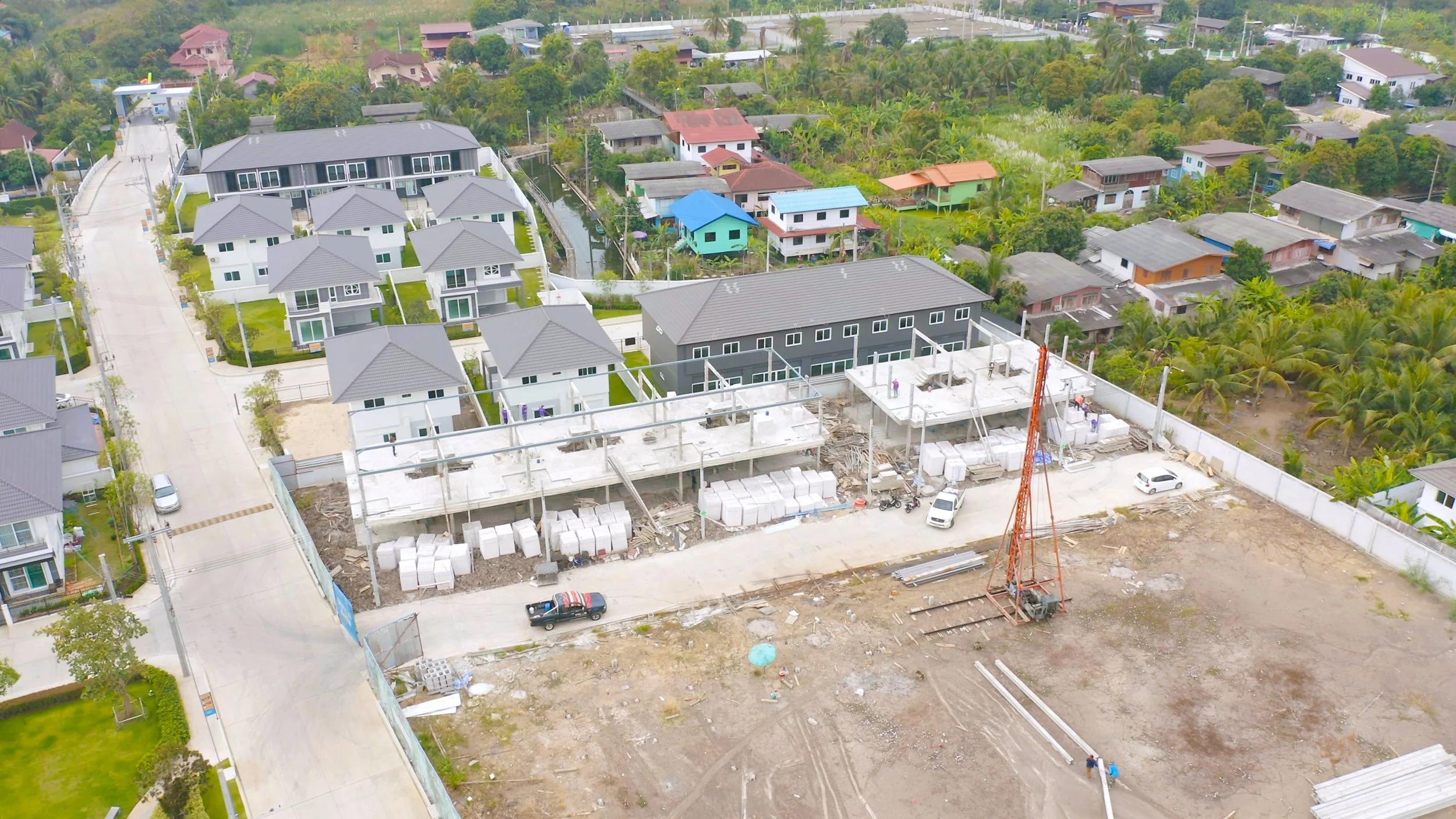
With the growth of digital finance, online real estate platforms and crowdfunding have emerged as accessible ways to invest in property. These platforms allow individual investors to co-invest in local and international real estate projects with relatively small capital contributions.
This model opens doors to commercial and overseas real estate that would otherwise be out of reach for the average investor. However, these platforms often have lock-in periods, meaning your funds may be tied up for a few years, limiting its liquidity options.
There’s also a risk involved when choosing the right platform to put your investments into, so it’s crucial to choose companies that are transparent, well-regulated, and licensed by the Monetary Authority of Singapore (MAS). For tech-savvy investors who want exposure to a wide range of property types and markets, this can be an appealing option.
Renting out a room

Lastly, for homeowners looking to take part in the real estate investment market with minimal risk, renting out a spare room can be a practical starting point. This method offers immediate cash flow and helps offset monthly mortgage payments with very little upfront investment. It’s especially useful for young couples or singles with unused space in their HDB flat or condo.
However, it does require a willingness to share your living space and abide by government regulations. Renting out a part of your property can lead to some inconveniences: instead of your home being entirely your private domicile, the living room, kitchen and shared bathroom will become shared spaces with your tenant.
HDB owners, for instance, must comply with specific guidelines on tenant eligibility and minimum rental periods. Despite these rules, it remains one of the easiest and lowest-risk ways to generate income from property.
Frequently asked questions
Is Singapore a good real estate market for first-time investors?
For most first-timers, yes, if the goal is steady long-term growth rather than a quick profit. Prices are supported by limited land and tight lending rules, so sharp crashes are less common than in many markets. The catch is the cost of entry: you need a sizeable down payment, and stamp duties make buying and selling quickly expensive. Plan to hold for years, not months.
What is the cheapest way to start investing in Singapore property?
REITs. You can buy units through a brokerage account with a small sum, there is no stamp duty, and you can sell any trading day. You give up control and leverage: you don't choose the property, and the price moves with the stock market. Many investors use REITs to learn how property income works before they commit to a whole unit.
Should a first-time investor buy a second property or upgrade their own home?
For many HDB owners, upgrading the home they live in is the more efficient first investment, because a second property brings Additional Buyer's Stamp Duty and a second loan to service. Work out the numbers both ways first: what your flat frees up, what you can safely borrow, and who would buy the next property from you one day.
Conclusion
In conclusion, Singapore’s real estate market offers a range of investment opportunities, from traditional rental properties to modern crowdfunding platforms. The right strategy depends on your financial resources, time commitment, and appetite for risk.
As a first-time investor, it’s crucial to start with clear goals, do your due diligence, and understand all the associated costs including taxes, legal fees, and potential risks. With a thoughtful and informed approach, real estate can become a solid and rewarding part of your long-term investment portfolio.
If you’re having a hard time deciding how you should start your real estate investment journey, consider consulting a trusted and experienced property agent like us here at David & Audrie. With our signature W.A.T.E.R Concept, let us help you plan your retirement through real estate investment and with a proper exit strategy, helping you get retirement ready, and bringing you closer to financial freedom.

With over 10 years of experience, David & Audrie are a trusted real estate partner. With their W.A.T.E.R method, David & Audrie not only can help you buy and sell real estate, but also help you develop a step-by-step retirement investment plan through purchasing, upgrading and selling property!
Don't hesitate to contact us here at our website by clicking here: David & Audrie or just give us a call by clicking here for all your property needs!